Social media never sits still. Every year the platforms tweak their algorithms, roll out new formats, and reshape how people discover businesses like yours. That constant change can feel exhausting when you are already running a small business and wearing ten hats at once. The good news for 2026 is that you do not need to chase every trend. You need a handful of smart, current habits that compound over time. Below are the social media tips that are actually moving the needle this year, written for busy owners who want results without burning out.
Lead with short-form video
If you take away one tip for 2026, make it this one: short-form video is the front door to discovery. Instagram Reels, TikTok, and YouTube Shorts continue to get the most reach because the platforms push video to new audiences far beyond your existing followers. You do not need a studio. A phone, decent lighting, and a clear point are enough. Show your product in use, answer a common customer question, introduce a team member, or share a quick before-and-after. Keep clips under 30 seconds, add captions for sound-off viewers, and hook people in the first two seconds before they scroll past.

Be deliberate with hashtags and keywords
The old habit of dumping 30 hashtags on every Instagram post is long gone. In 2026, social platforms work more like search engines, and the captions themselves are searchable. That means the words you actually write matter as much as your tags. Use three to five relevant, specific hashtags rather than a wall of generic ones, and weave clear keywords into your caption so the right people can find you. Trying to reach everyone reaches no one. A focused post aimed at one type of customer almost always beats a scattershot one chasing every possible audience.
Optimize for AI search and answer engines
Here is the shift that surprises a lot of owners: more and more customers are starting their search inside AI assistants and answer engines like ChatGPT, Google's AI Overviews, and Perplexity. Increasingly, your social profiles and posts feed into those answers. To show up, write the way people actually ask questions. Use plain language, answer one clear question per post, and include the specifics an AI can quote, such as your location, your services, your hours, and real outcomes. Treating your social content as helpful, factual answers rather than vague brand fluff makes you far more likely to get surfaced when someone asks an AI for a recommendation.
Make the most of social commerce
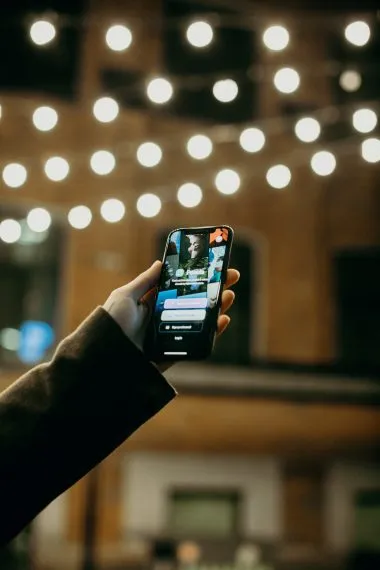
People increasingly want to buy without ever leaving the app. In 2026, in-app shopping, shoppable posts, and TikTok Shop are mainstream, and the brands that make checkout frictionless win. If you sell products, tag them directly in your posts and Reels so a viewer can go from curious to purchased in a couple of taps. Even service businesses can use built-in booking and lead buttons to capture interest in the moment. The lesson is simple: meet customers where their attention already is instead of asking them to hunt down your website.
Let AI help, but keep your human voice
AI tools are genuinely useful for the grind of content creation. Use them to brainstorm post ideas, draft captions, repurpose one video into several clips, and plan a month of content in an afternoon. What AI should not do is replace your personality. Customers follow small businesses because they feel a real human on the other side. So let AI handle the heavy lifting, then edit every post in your own voice, add your real experiences, and respond to comments yourself. The blend of efficiency and authenticity is what wins in 2026.

Post consistently and engage like a human
Consistency still beats intensity. A steady rhythm of a few quality posts each week trains the algorithm and keeps you top of mind, while sporadic bursts followed by silence do the opposite. Just as important, social media is a conversation, not a billboard. Reply to comments, answer DMs promptly, and acknowledge the people who tag you. Platforms reward posts that spark real interaction, and customers remember a business that actually talks back.
Focus on the metrics that matter
Likes feel good but rarely pay the bills. In 2026, pay attention to saves, shares, watch time, profile visits, and clicks, because those signal genuine interest and tell the algorithm your content is worth spreading. Check what performed best each month, do more of it, and quietly retire what flopped. You do not need to be on every platform either. Pick the one or two where your customers actually spend time and go deep rather than spreading yourself thin.
Keep it sustainable
The single biggest reason small businesses give up on social media is not a bad algorithm, it is exhaustion. Build a plan you can keep up with for the long haul. Batch your content, lean on scheduling tools, and recycle your best ideas into new formats. If managing it all still feels like too much on top of everything else you do, that is exactly where a done-for-you partner like $99 Social comes in, handling the day-to-day posting and engagement so you can stay consistent without losing hours every week. However you do it, the goal for 2026 is the same: show up reliably, be genuinely helpful, and let steady effort turn into steady growth.