Influencer marketing has gone from a nice-to-have to a core channel for small businesses in 2026. The reason is simple: people trust people. A recommendation from a creator your audience already follows lands far harder than a polished ad ever could. And you no longer need a celebrity-sized budget to make it work — micro and nano creators are delivering some of the best returns in the game.
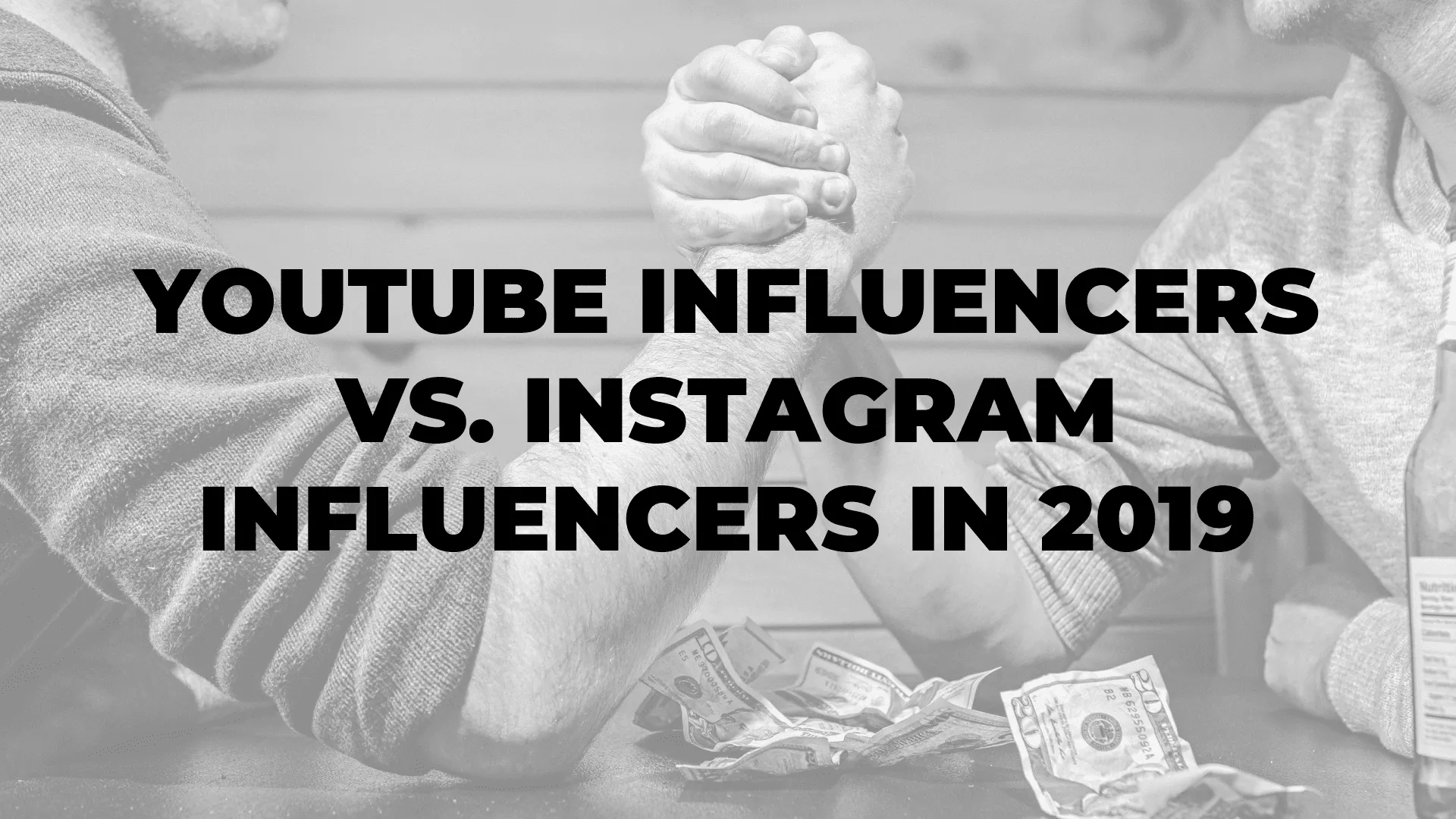
Two platforms still dominate the creator economy: YouTube and Instagram. Both are powerful, but they work very differently. Knowing which one fits your goals (and your budget) is the difference between a campaign that pays for itself and one that just burns cash.
Why Influencer Marketing Still Wins in 2026
Social feeds are noisier than ever, and AI-generated content is everywhere. That has made authentic, human recommendations more valuable, not less. Audiences are skeptical of anything that feels mass-produced, so a creator who genuinely uses and likes your product cuts through in a way paid ads struggle to.
There's a second, newer benefit worth understanding: AI search visibility. When people ask ChatGPT, Perplexity, or Google's AI Overviews for recommendations, those tools often pull from creator reviews, YouTube transcripts, and social mentions. A steady stream of creator content about your brand helps you show up in those AI-generated answers — a channel that barely existed a few years ago.

Instagram Influencers: Fast, Visual, and Built for Discovery
Instagram is still the home of polished visuals and quick, scroll-stopping content. In 2026 the action lives in Reels, Stories, and increasingly in shoppable posts that let people buy without leaving the app. For businesses with a strong visual product — food, fashion, beauty, home, fitness, local services — Instagram creators can drive awareness incredibly fast.
What makes Instagram especially friendly for small businesses:
- Lower cost of entry. A nano-creator (1,000–10,000 followers) might post for free product or a modest fee, and their engaged, local audience often converts better than a big name.
- Speed. A Reel or a few Story frames can go live in a day, making Instagram ideal for promotions, launches, and seasonal pushes.
- Social commerce. Product tags and in-app checkout shorten the path from "I want that" to "I bought it."
The trade-off: Instagram content moves quickly and has a short shelf life. A Story disappears in 24 hours, and even a strong Reel fades from feeds within days.

YouTube Influencers: Trust, Depth, and Long-Term Reach
YouTube plays a longer game. Creators here build deep relationships with their audiences through tutorials, reviews, vlogs, and explainers — and that trust transfers powerfully to the brands they recommend. A dedicated review or "how I use it" segment gives your product real context, which is exactly what shoppers want before a considered purchase.
YouTube's biggest advantage is longevity. A video published today can keep earning views, clicks, and sales for years because it ranks in both YouTube and Google search. That makes it a true evergreen asset rather than a one-day spike. YouTube Shorts also lets creators capture fast, snackable attention, so you can blend short-form reach with long-form depth on a single platform.
YouTube tends to fit businesses where buyers research before they buy — software, services, higher-ticket products, education, and anything that benefits from a demonstration. The catch is that quality video takes more time and money to produce, so YouTube partnerships usually cost more per piece than a quick Instagram post.
How to Choose Between the Two
You don't always have to pick one. But if your budget is tight, match the platform to your goal:
- Want fast awareness and impulse-friendly sales? Lean Instagram, especially Reels and shoppable posts.
- Selling something people research first? Lean YouTube for in-depth reviews and demos that keep working long after they publish.
- Have a local or niche audience? Prioritize micro and nano creators on either platform — their engagement and trust usually beat raw follower counts.

Tips for Running a Smart Campaign on Any Budget
- Check engagement, not just followers. A creator with 5,000 active fans often outperforms one with 100,000 passive ones.
- Use unique codes and links. Trackable discount codes and UTM links show you exactly which creator drove sales.
- Give creative freedom. Audiences spot a forced script instantly. Share key points, then let the creator speak in their own voice.
- Repurpose everything. Turn a creator's Reel or YouTube clip into ads, website social proof, and email content to stretch your spend further.
- Disclose partnerships. Clear "paid partnership" labels keep you compliant and actually build trust with savvy 2026 audiences.
The Bottom Line
Instagram delivers speed, visual punch, and easy social commerce. YouTube delivers depth, trust, and content that keeps working for years — and increasingly feeds the AI tools your customers now use to find recommendations. For most small businesses, the smartest move is to start with one platform that matches your goals, partner with a few well-chosen micro creators, and scale what works.
If managing creator outreach, content, and your everyday social posting feels like too much on top of running your business, that's exactly what a done-for-you service like $99 Social is built for — keeping your brand consistent and visible while you focus on customers.