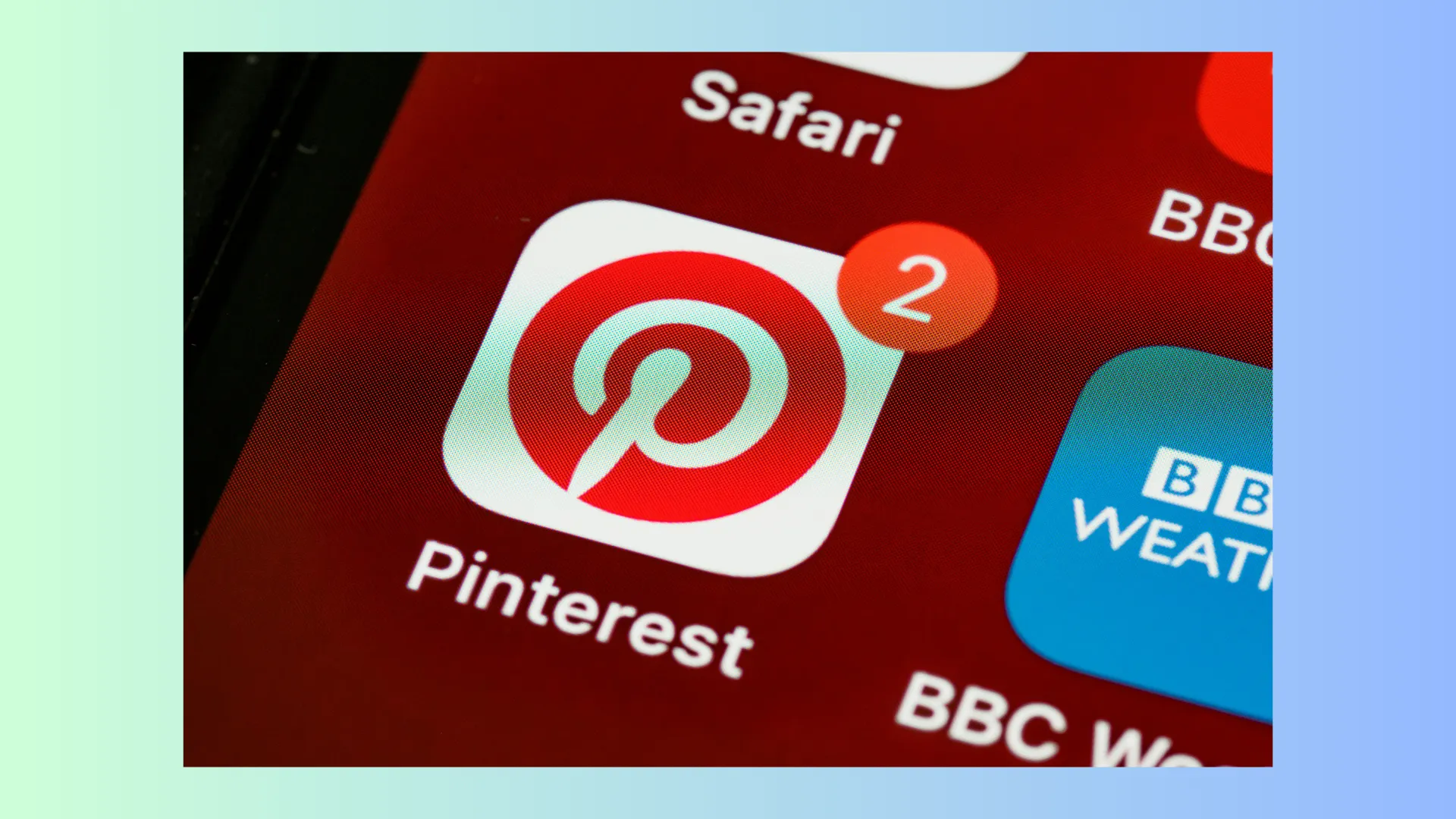

Any time you want to maximize performance on a digital platform, you have to keep your content in sync with what people are actually searching for. That has always been true on Pinterest, and in 2026 it matters more than ever. Pinterest has fully leaned into its identity as a visual discovery and shopping engine, a place where users arrive with intent to plan, save, and buy. For a small business, that intent is gold — but only if Pinterest correctly understands what your Pins are and who should see them.
The way it figures that out is through Pin classification: the behind-the-scenes process Pinterest uses to read each Pin, label it, and match it to the right searches and feeds. Understand how that classification works, and you can create Pins that surface naturally in search, the home feed, and shopping results — instead of disappearing into the void.
How Pinterest actually classifies a Pin
Pinterest doesn't just look at the words you type. Its systems analyze multiple signals at once and combine them into an understanding of your Pin's topic, style, and shopping relevance. The main inputs in 2026 include:
- Visual content. Computer-vision models scan the image or video itself, identifying objects, colors, scenes, and product categories — no text required.
- Text signals. Your title, description, alt text, and on-image text all feed the system keyword and context clues.
- The destination page. Pinterest reads the page your Pin links to, so a clear, on-topic landing page reinforces what your Pin is about.
- Board and account context. The board a Pin lives on and your account's overall focus help establish topical authority.
- Engagement behavior. Saves, close-ups, outbound clicks, and how long people linger all tell Pinterest whether a Pin truly matches the searches it appears in.

From pixels to products: visual matching
One of the most important pieces of this puzzle is Pinterest's ability to connect an image to a product. Historically this was described as "Pin-to-image" or "P2I" matching, and the principle still drives how Pinterest powers visual search and shopping today. When someone uses Pinterest Lens to snap a photo, or taps a Pin to "shop similar," the platform is matching the visual features of that image against its catalog of classified Pins and products.
For your business, this means the image quality and clarity of your Pins directly affect whether they get matched to shopping intent. A clean, well-lit product shot with the item front and center is far easier for Pinterest to classify — and far more likely to appear when a shopper is looking to buy something just like it. Blurry, cluttered, or overly stylized images make the platform's job harder and your reach smaller.
What the engineering side tells us
Pinterest's engineering teams have shared a consistent message over the years: classification is multi-signal, machine-learning driven, and constantly refined. In 2026, that includes heavier use of AI to interpret images and short-form video, predict which topics a Pin belongs to, and personalize what each user sees. The takeaway for small businesses isn't to chase the algorithm — it's to feed it clear, honest, consistent signals so it can do its job.

How to create Pins that get classified correctly
Now for the practical part. Here's how to align your Pins with how Pinterest reads and ranks content in 2026:
- Lead with a strong vertical visual. Use a 2:3 ratio (1000 x 1500 px works well), high resolution, and a single clear subject. Idea Pins and short video continue to get strong reach, so mix in motion where it fits.
- Write keyword-rich, natural text. Research what your audience searches by typing seed terms into the Pinterest search bar and noting the suggestions. Weave those phrases into your title and description as a real sentence, not a keyword dump.
- Always add alt text. It reinforces classification and supports accessibility — a win that also helps your content surface in AI-driven and answer-engine results that increasingly pull from rich, well-described media.
- Match the Pin to its landing page. Send clicks to a page that genuinely delivers what the Pin promises. Mismatches hurt engagement signals and your long-term reach.
- Use product Pins and your catalog. If you sell online, upload your catalog so Pinterest can auto-classify products with pricing and availability and feed them into shopping surfaces.
- Stay on-topic per board. Tight, themed boards strengthen the context Pinterest uses to understand your account's expertise.
Keep it consistent — that's the real win
Pinterest classification rewards clarity and consistency over clever tricks. The businesses that win in 2026 are the ones that publish clear, searchable, genuinely useful Pins on a steady schedule, then read their analytics to see which topics and formats earn saves and clicks. Do that, and Pinterest's systems will increasingly do the heavy lifting of putting your products in front of the people most likely to buy them.
If keeping up a steady, optimized presence on Pinterest (and everywhere else) feels like a lot, that's exactly the kind of thing a done-for-you team handles — so you can focus on running your business while your social channels keep working in the background.