If you run a small business, you have probably noticed how much harder it is to get someone to fill out a form on your website. People scroll, tap, and bounce in seconds. The good news is that Facebook (and the wider Meta ecosystem of Instagram and Messenger) has spent the last few years building lead-capture tools that meet customers exactly where they already are: inside the app, in a conversation. In 2026, the combination of lead ads and click-to-Messenger automation is one of the most accessible ways for a small business to turn casual scrollers into real inquiries.

How click-to-Messenger lead generation works
The idea is refreshingly simple. You run an ad in the Facebook or Instagram feed with a Send Message button instead of a "Learn More" link. When someone taps it, they do not get bounced to a slow-loading landing page. Instead, a conversation opens right inside Messenger between them and your business. From there, an automated flow can greet the person, ask a few qualifying questions, answer common objections, and collect the details you actually need, such as a name, email, service interest, or preferred appointment time.
What was once a clunky question-and-answer script has matured. In 2026, these flows are typically powered by AI chat assistants that understand natural language, so a customer can type "Do you do weekend appointments?" and get a sensible answer instead of hitting a dead end. You stay in control of the script and the tone, but the AI handles the messy middle of a real conversation.
Why this matters for small businesses
The biggest win is friction. Every extra click or form field costs you leads. By keeping the entire exchange inside an app people already trust and have logged into, you remove the steps where most prospects quietly drop off. A few more reasons it works well for smaller teams:
- Pre-filled details. Meta can auto-populate fields like name and email from the user's profile, so the customer barely has to type.
- Instant replies, even after hours. Automation responds at 11 p.m. on a Sunday, which is often exactly when a busy customer is finally researching your service.
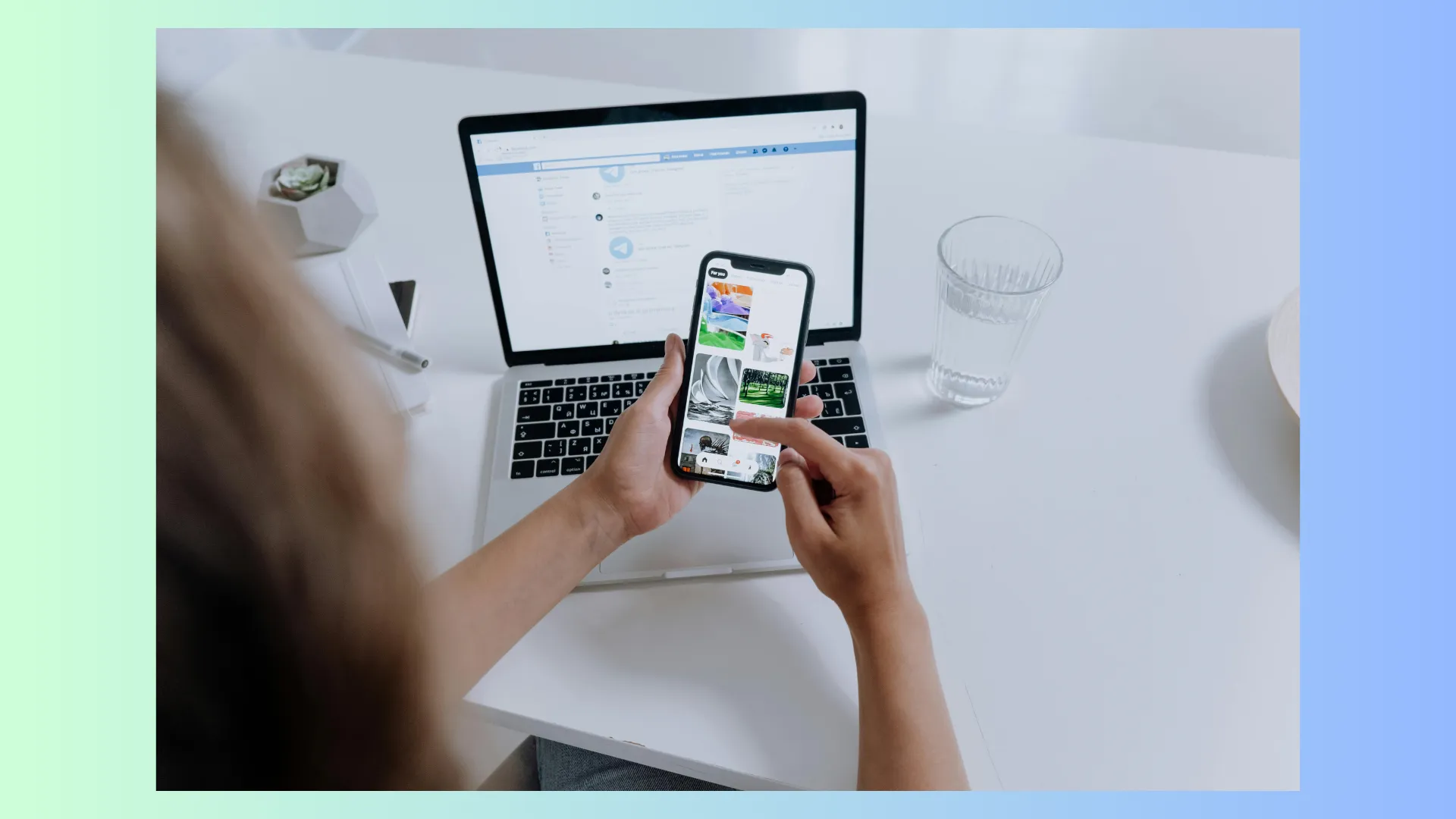
- Built-in mobile experience. The vast majority of this traffic is on phones, and a chat window is far easier to use on a small screen than a multi-field form.
- A conversation you can continue. Unlike a one-and-done form, the Messenger thread stays open, so you can follow up with a quote, a reminder, or an offer later.
A few practical tips before you launch
Getting set up is easier than it used to be, but a little planning goes a long way. Keep these points in mind:
- Keep the questions short. Ask only what you truly need to follow up. Two or three questions convert far better than ten.
- Connect it to your tools. Pipe the captured leads into your CRM, email platform, or a simple spreadsheet so nothing slips through the cracks.
- Mind the messaging rules. Meta limits how and when you can re-message someone outside a set window, so capture an email or phone number if you want to keep nurturing the lead long term.
- Set a clear handoff. Decide when the AI should pass the conversation to a human, especially for pricing, complaints, or anything sensitive.
- Test the flow yourself. Run through the whole conversation on your own phone before you spend a dollar on ads.
Where it fits in your 2026 strategy
Messenger lead generation is not a magic button, and it should not be your only channel. It works best alongside the rest of a modern social presence, including short-form video and Reels to build awareness, helpful content that gets you surfaced in AI search and answer engines, and a steady posting rhythm that keeps your brand familiar. Think of click-to-Messenger ads as the conversion layer: video and content earn attention, and the chat flow turns that attention into a named lead you can actually reach.
It also pairs naturally with the broader move toward social commerce. Customers increasingly expect to discover, ask, and buy without leaving the app, and a conversational lead flow fits that behavior perfectly.
So, should you use it?
For most small businesses, the answer in 2026 is a confident yes, as long as you have a plan to actually respond to the leads it brings in. The tools are inexpensive to test, the setup is approachable, and the format matches how people genuinely behave on their phones. Start small with one clear offer, watch which questions your prospects ask, and refine from there.
If building and managing all of this on top of running your business sounds like a lot, that is exactly where a done-for-you partner helps. At $99 Social, we handle the day-to-day posting, content, and social strategy so the audience is warm and ready by the time your lead ads go to work. The result is less guesswork for you, and more conversations that turn into customers.