Whether you're hosting an in-person workshop, a product launch, or a free webinar, Facebook is still one of the most effective places to fill the room in 2026. With billions of active users and tools built specifically for events, the platform lets you reach attendees, answer their questions, and build genuine anticipation. The trick is to treat your promotion as three distinct phases: before, during, and after. Get all three right and a single event can keep working for your business long after the last guest leaves.
Start with a proper Facebook Event page
The foundation of everything is a well-built Facebook Event. Create one directly from your business Page so it's tied to your brand, then fill in every field: a clear name, the exact date and time, location (or the link for online events), and a short, benefit-driven description that answers "why should I show up?"
Add a strong cover image or, even better, a short cover video. In 2026, motion stops the scroll far better than a static graphic. Once your event is live, invite your followers, pin it to the top of your Page, and ask a few loyal customers or partners to share it. Each "interested" or "going" response shows up in friends' feeds, giving you free, trusted reach.
Build anticipation before the event
The weeks leading up to your event are where most of the work happens. The goal is to stay top of mind without becoming noise. A few tactics that work well right now:
- Lean into short-form video. Reels are the single best organic reach tool Facebook offers. Post quick teasers: a speaker intro, a behind-the-scenes setup clip, or a 15-second "here's what you'll learn."
- Run a countdown. Use Stories with countdown stickers and post milestone updates ("one week to go," "only 10 spots left") to create gentle urgency.
- Use a branded event frame or AR filter. A custom frame attendees can add to their own Stories turns guests into promoters and spreads your branding for free.
- Boost to the right people. Even a modest budget on a boosted post or event ad, targeted by location and interests, can dramatically expand your reach beyond existing followers.
Encourage questions and reply to every one. The more interaction your event and posts get, the more Facebook's algorithm shows them to others.
Create and use a memorable hashtag
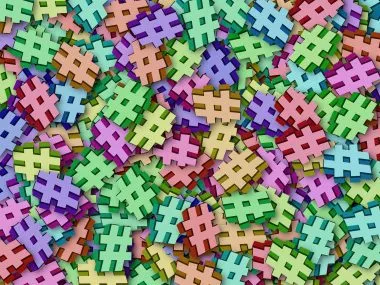
Pick one short, easy-to-spell hashtag and use it everywhere: your event description, every promotional post, and your on-site signage. A consistent hashtag makes it simple for attendees to find each other's content and for you to gather everything people share in one place. Keep it specific to your event rather than generic, so the conversation stays focused on you.
Go live during the event
Facebook Live remains a powerful way to include people who couldn't attend in person and to capture the energy in the room. Stream a keynote, a demo, or a quick Q&A. Tell your audience in advance when you'll be going live so they can tune in, and assign someone to monitor the comments and read questions aloud. Live viewers comment and react in real time, which signals the algorithm to push your stream to even more feeds.
During the event, keep posting to Stories, share attendee photos, and repost guests who tag you. This real-time activity reassures people who were on the fence that they made the right choice and shows everyone watching from home what they're missing.
Keep the momentum after it's over
The event ending is not the end of the marketing. This is where many small businesses leave value on the table. Within a day or two, post a recap: a highlight Reel, a photo gallery, or the best moments from your Live. Thank attendees publicly, tag the people and partners involved, and share any results or takeaways.
Your recorded Live and recap clips become evergreen content you can reuse for months. They also feed something increasingly important in 2026: AI search and answer engines. When you publish clear, well-described content about your event, you improve the odds of being surfaced when someone asks an AI assistant about events or experts in your field. Write descriptions in plain language and answer the questions people actually ask.
Finally, follow up. Message or email people who showed interest but didn't attend, invite everyone to your next event, and turn fresh attendees into loyal customers with a simple offer or thank-you.
Make it sustainable
Promoting an event well across three phases takes consistent posting, and that's a lot to juggle while you're also running the show. If keeping up a steady stream of Reels, Stories, and follow-ups feels overwhelming, a done-for-you service like $99 Social can handle the day-to-day posting so you can focus on hosting a great event. Either way, plan your before, during, and after early, and Facebook will help you turn one event into lasting growth.