If your small business advertises on Instagram, it pays to know which products and audiences the platform will and won't let you reach. Over the past few years, Meta has steadily tightened the rules around sensitive ad categories, and in 2026 those guardrails are more sophisticated than ever. The headline for many owners: ads tied to cosmetic procedures, weight loss, and other appearance- or health-related products face real limits, especially when it comes to teen audiences.
Here's the good news. None of this is a reason to panic. For the vast majority of small businesses, these restrictions are easy to work around, and the underlying shift toward healthier, more trustworthy advertising actually rewards brands that play it straight.

Why Instagram restricts these ads
Meta has spent years working with mental-health and well-being experts, and the conclusions have been consistent: a steady feed of weight-loss promises and "fix your face" messaging isn't good for users, and it's especially risky for younger ones. By 2026, regulators in the US, UK, EU, and Australia have added their own pressure, with age-verification and teen-safety rules pushing platforms to default young users into protected experiences.
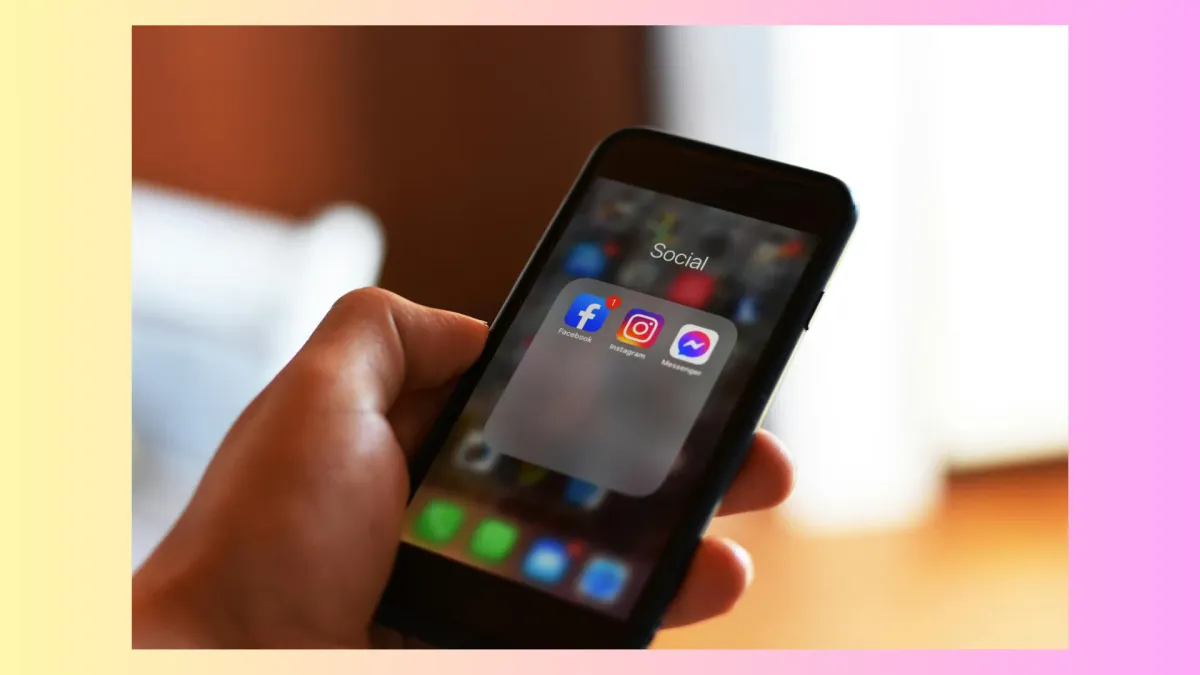
The result is a tiered system. Instagram now leans heavily on age signals to decide who can see what. Accounts identified as belonging to anyone under 18 sit inside Teen Accounts, a more locked-down environment where certain ad categories simply don't appear. For adults, the rules are looser but still meaningful, particularly around how a product is described.
What's actually restricted in 2026
The restrictions tend to cluster around a few categories. If your business touches any of these, read closely:
- Cosmetic procedures and surgery: Ads promoting surgical or non-surgical aesthetic procedures cannot be shown to teens, and adult-facing versions can't use shaming or "before-and-after" pressure tactics.
- Weight loss and diet products: Supplements, detoxes, appetite suppressants, and dramatic transformation claims are heavily limited. Ads featuring a price or a "buy now" incentive for these products are blocked from younger audiences entirely.
- Body image and appearance: Anything that implies a user's body is a problem to be solved tends to get flagged.
Notice the pattern. Instagram is hardest on ads that combine a sensitive product with a purchase trigger such as pricing, discounts, or urgency aimed at people who may be too young to evaluate it. For a local med-spa, wellness coach, or boutique selling supplements, that means your advertising strategy needs a quick review.
The broader content crackdown
Ad rules don't exist in a vacuum. Instagram has also gotten far more aggressive about removing and down-ranking content tied to self-harm, eating disorders, and other harmful themes. AI-powered detection now catches a large share of this material before it spreads, and teen feeds are filtered the most tightly.
Why does this matter for an honest small business? Because the platform's automated systems are watching context, not just keywords. An offhand caption, a meme, or a borrowed image that brushes up against a sensitive theme can get your post limited even if your intent was harmless. Keep your organic content as clean and on-brand as your paid content.
How to keep advertising effectively
Adapting is mostly about reframing. A few practical moves go a long way:
- Sell the outcome, not the insecurity. "Feel confident and energized" lands far better with both Instagram's reviewers and real customers than "fix your flaws."
- Set your audience targeting to 18+ for any product that could trip teen restrictions. You'll avoid disapprovals and reach buyers with actual purchasing power.
- Lead with education. Short-form video and Reels that explain, demonstrate, or reassure tend to sail through review and convert better than hard-sell pricing ads.
- Lean on social proof. Genuine reviews and tasteful client stories build trust without triggering "before-and-after" rules.
The opportunity hiding in the rules
It's tempting to see all of this as a hassle, but there's a real upside. As Instagram and other platforms push toward more responsible advertising, the brands that adapt early build something far more valuable than a cheap click: trust. Customers in 2026 are sharp. They scroll past pushy, fear-based ads and reward businesses that feel honest and helpful.
The same instinct also serves you well beyond social feeds. As more people find businesses through AI search and answer engines, clear, trustworthy, well-structured content is what gets your brand surfaced and recommended. Healthy advertising and modern discoverability point in the same direction.
If keeping up with shifting platform rules feels like one job too many, you're not alone. That's exactly where a done-for-you service like $99 Social helps. We manage your posting, keep your content compliant and on-brand, and free you up to run your business. Staying within the lines doesn't have to slow you down. With the right partner, it can be the thing that sets you apart.