The social media and digital marketing landscape is always shifting, and in 2026 it's moving faster than ever, driven above all by artificial intelligence. To stay competitive, brands need to keep up with these changes and figure out how to use them well. If you want to reach today's audiences and get results, these are the trends you simply can't afford to ignore.
Below we cover the most significant social media and digital marketing developments shaping strategy now and into the future. Knowing them helps you fine-tune your approach and reach your target audience where they actually are.
1. Artificial Intelligence

AI is no longer just a competitive edge, it's the foundation of modern digital marketing. Marketers use AI tools to create content, analyze huge data sets, predict buying intent, and personalize experiences at scale. In 2026 this has advanced to "agentic" AI: autonomous systems that plan, execute, and optimize campaigns with human oversight. AI-powered shopping assistants are also reshaping how people discover products inside search engines and apps. The winning approach uses AI for speed and scale, drafts, variations, and analysis, while keeping humans in charge of strategy, voice, and authenticity, since audiences are increasingly wary of obviously AI-generated content.
2. Short-Form Video
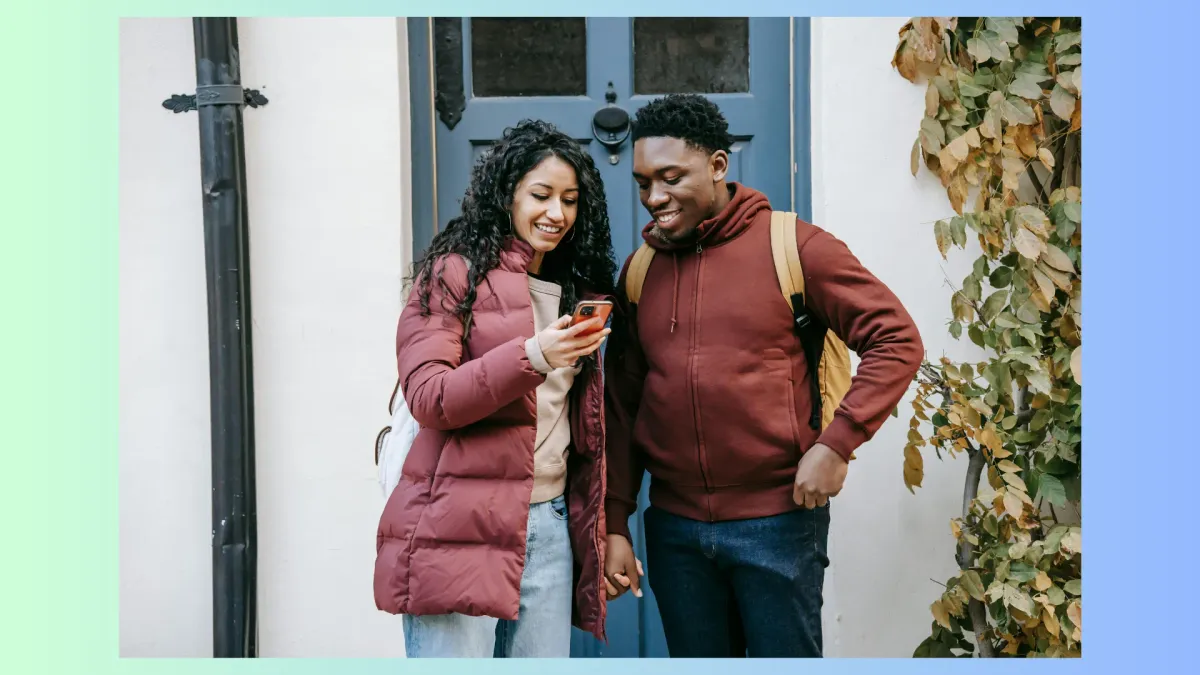
Short, vertical video on TikTok, Instagram Reels, and YouTube Shorts now drives the majority of engagement across social platforms. It's authentic, mobile-first, and highly shareable, and it consistently ranks as one of the highest-ROI content types. Lo-fi, creator-style video tends to outperform over-produced content, so focus on genuine, fast, valuable clips. Live video and livestreaming remain powerful too, giving audiences a real-time, behind-the-scenes connection that pre-recorded content can't match.
3. Social Commerce
Social commerce, discovering and buying products without ever leaving the app, has become a primary sales channel. TikTok Shop, Instagram Shopping, and Pinterest's shoppable pins let customers move from discovery to checkout in seconds. Shoppable short-form video is especially effective, turning views directly into purchases. Brands that still redirect shoppers to an external site see far higher abandonment than those using native, in-app checkout.
4. Creator and Influencer Marketing
Influencer marketing keeps proving its value, because creator content feels more genuine and trustworthy than traditional ads. The shift in 2026 is toward niche, micro-, and nano-influencers with smaller but deeply engaged audiences, where relevance and trust matter far more than raw follower count. Partner with creators who naturally fit your audience and values, give them creative freedom, pay them fairly, set clear goals, and measure results beyond likes and shares.
5. Social as Search
People, especially younger audiences, increasingly use TikTok, Instagram, and YouTube as search engines to research products and discover brands before they ever hit Google. A large majority of online users now research brands on social media before buying. That means your social content needs to be discoverable: use clear, keyword-rich captions, on-screen text, and descriptive hashtags so your videos surface when people search.
6. Personalization
Data lets marketers tailor experiences to each user, and personalized content consistently outperforms generic messaging. Brands can personalize emails, product recommendations, and even website content in real time based on a visitor's interests and behavior. With AI and predictive analytics, hyper-personalization, delivering the right message to the right person at the right moment, has become an expectation rather than a nice-to-have.
7. Authenticity and Generative Engine Optimization
As AI-generated content floods every feed, authenticity has become a genuine differentiator. Real, relatable, less-polished content builds trust faster than slick corporate messaging. At the same time, a new discipline has emerged: optimizing your content so it surfaces in AI-powered search and answer tools, sometimes called Generative Engine Optimization. Content grounded in real experience and genuine expertise performs better across both AI search and traditional results.
FAQs
What are the biggest digital marketing trends in 2026?
AI (including agentic AI), short-form video, social commerce, creator and micro-influencer marketing, social-as-search, personalization, and authentic content optimized for AI-powered discovery.
How is AI changing marketing?
It speeds up content creation, targeting, and optimization, but humans remain essential for strategy, ethics, and brand voice.
Why does short-form video matter so much?
It drives the most engagement across platforms, is highly shareable, and increasingly doubles as both entertainment and a shoppable storefront.
What are some key social commerce trends?
Shoppable posts and videos, in-app native checkout, and creators acting as direct sellers through reviews and livestreams.