If email marketing has let you down before, the problem usually isn't email itself — it's that the campaign wasn't built for where people actually read it. In 2026, the majority of emails are opened on a phone, often in a few distracted seconds between tasks. If your message looks cramped, loads slowly, or buries the point, it gets swiped away. The good news: a handful of mobile-first habits can turn underwhelming results into the kind of open and click rates you've been hoping for.
This guide walks through the practical changes that make the biggest difference for small businesses — no big budget or design team required.
Keep subject lines short and scannable
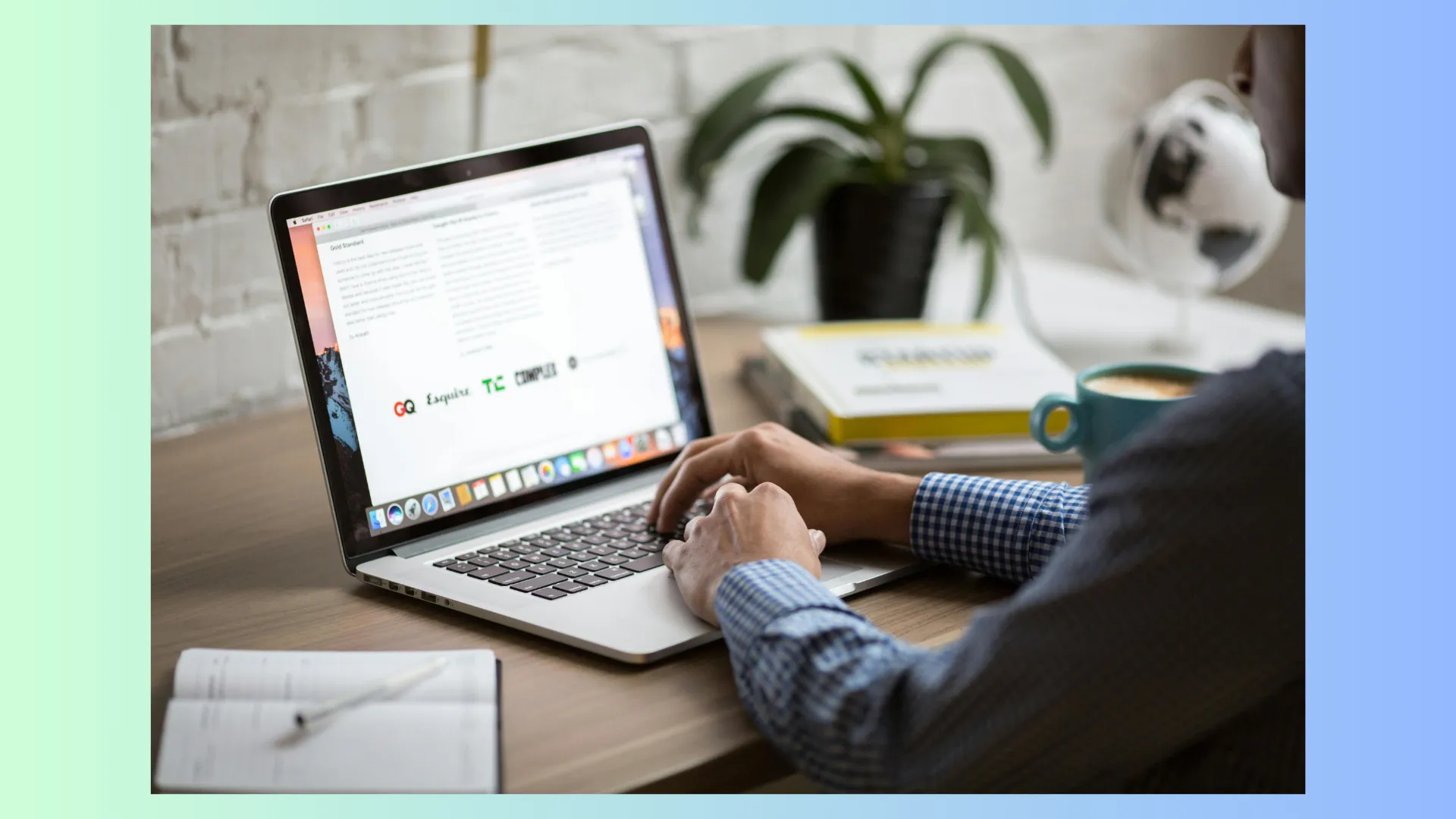
Most people decide whether to open an email based on the subject line alone — and on a phone, only the first 30 to 40 characters reliably show before they get cut off. That means your hook has to land fast. Lead with the value or the curiosity, not your brand name or a long wind-up.
A few things that still work in 2026:
- Front-load the most important words so nothing critical gets truncated.
- Write like a human, not a press release — questions and specifics outperform vague hype.
- Use the preview (preheader) text as a second headline instead of letting it auto-fill with junk.
- Go easy on emojis; one purposeful emoji can help, a string of them reads as spam.
Design for the thumb, not the desktop
A single-column layout is non-negotiable. Multi-column designs that look elegant on a laptop collapse into a mess on a 6-inch screen. Build the whole email as one clean vertical flow that someone can read with one thumb.
Keep these mobile rules in mind:
- Use a readable font size — roughly 16px for body text and larger for headings.
- Make buttons big and tappable (at least 44px tall) with breathing room around them, so no one fat-fingers the wrong link.
- Compress images so the email loads instantly even on a weak connection, and never rely on an image to carry your core message in case it doesn't load.
- Add real white space — dense walls of text get abandoned.
One smart move for 2026: keep your message tight enough that it works even when AI inbox assistants summarize it. Many people now skim an auto-generated summary before opening, so your main point and call to action should be obvious in the first screen's worth of content.
Personalize with intent, not just a first name
Dropping someone's name into a subject line was clever a decade ago. Today's readers expect more, and the tools to deliver it are easier than ever. Real personalization means sending relevant content based on what someone actually did — what they bought, browsed, or clicked.
You don't need an enterprise platform to do this well:
- Segment your list by interest, location, or purchase history so each group gets messages that fit them.
- Trigger automated emails off real behavior — a welcome note after signup, a nudge after an abandoned cart, a check-in after a purchase.
- Use AI features built into most email platforms to draft variations and suggest send times, then edit so the voice still sounds like you.
The goal isn't to be creepy — it's to be useful. A small business that sends the right message to the right person looks far more professional than one blasting the same generic email to everyone.
Test before you hit send
Even a great email can flop because of a broken link, a button that's invisible on dark mode, or an image that won't load. Testing takes a few minutes and saves you from sending a mistake to your whole list.

Build a simple pre-send routine:
- Send a test to yourself and open it on an actual phone, in both light and dark mode.
- Tap every link and button to confirm they go where they should.
- Run an A/B test on subject lines or calls to action to learn what your specific audience responds to.
- Check that your sender name, reply-to address, and unsubscribe link are all correct and compliant.
Make it part of a bigger picture
Email works best when it's connected to everything else you're doing — your short-form video, your social posts, your website. A follower who sees your Reels and then gets a helpful, well-designed email is far more likely to become a loyal customer. Consistency across channels is what builds trust in 2026.
If juggling email, social media, and content feels like too much on top of running your business, you don't have to do it alone. A done-for-you service like $99 Social can keep your social presence active and on-brand while you focus on what you do best — and keep the whole picture working together. Start with these mobile-friendly habits, stay consistent, and watch your email results finally catch up to your expectations.