The first time you sit down to build a social media marketing plan, it can feel a lot like standing at the edge of a canyon: thrilling, a little overwhelming, and full of unknowns. You can see other businesses thriving on social, racking up followers and sales, yet you have no idea how to get yourself there. The good news? A plan is your map and your safety rope. With one in place, you stop guessing and start moving in a clear direction.
Here is how to create a social media marketing plan from scratch in 2026 — step by step, in plain English.
1. Start With Goals, Not Platforms
Before you post a single Reel, decide what you actually want social media to do for your business. Vague goals like "get more followers" won't help you. Tie every goal to a real business outcome instead.
- Drive traffic to your website or booking page
- Generate leads or direct messages from interested customers
- Build local awareness so people think of you first
- Increase repeat purchases and customer loyalty
Make each goal specific and measurable. "Earn 30 qualified DMs per month" beats "grow my audience." Your goals decide everything that comes next — which platforms you use, what you post, and how you'll know it's working.
2. Know Your Audience (and Where They Actually Hang Out)
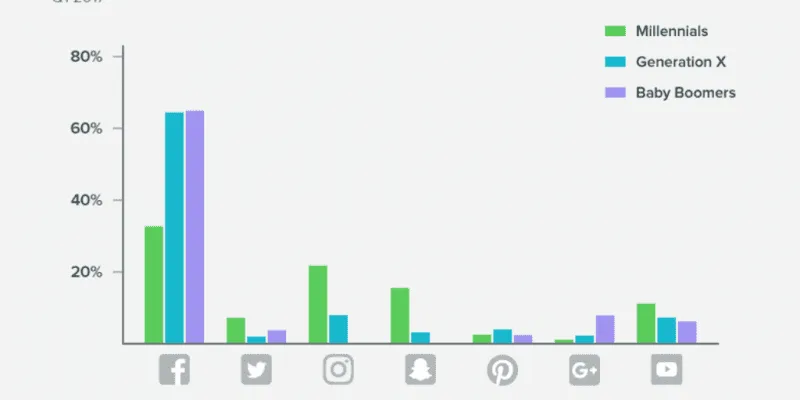
You can't be everywhere, and you shouldn't try. Get clear on who your ideal customer is: their age, location, interests, and the problems your business solves for them. Then meet them where they already spend time.
In 2026, that usually means a focused mix rather than a presence on every app. Instagram and TikTok dominate short-form video and discovery. Facebook still wins for local communities and older demographics. LinkedIn drives B2B and professional services. X (formerly Twitter) suits real-time updates and customer conversations. Pick two or three platforms you can genuinely keep up with, and do them well.

3. Check Out the Competition and the Canyon Ahead
Before you map your own route, look at how others have navigated theirs. Spend an hour studying three or four competitors and a few businesses you admire. Notice what content gets the most engagement, how often they post, and the tone they use. You're not copying — you're spotting gaps you can fill and ideas worth adapting for your own voice.
4. Build a Content Plan Around Formats That Work
Short-form video is still the engine of reach in 2026. Reels, TikToks, and YouTube Shorts consistently get more discovery than static posts, so make video a regular part of your mix even if it's just you talking to your phone camera. Mix in carousels, customer stories, behind-the-scenes clips, and helpful tips.
A simple way to stay consistent is to plan content around a few repeatable themes, or "buckets." For example:
- Educate — tips and how-tos that solve a customer problem
- Show — products, results, and behind-the-scenes moments
- Prove — reviews, testimonials, and user-generated content
- Connect — questions, polls, and replies that spark conversation
Rotate through your buckets and you'll never stare at a blank screen wondering what to post.
5. Put AI to Work (Without Sounding Like a Robot)
AI is one of the biggest shifts in marketing this decade, and small businesses now have the same tools the big brands use. Use AI to brainstorm content ideas, draft captions, repurpose one video into five posts, and suggest the best times to publish. The trick is to always add your own voice, real examples, and a human edit on top. AI gets you a fast first draft; you make it sound like your business.
6. Don't Forget AI Search and Answer Engines
More and more customers are finding businesses through AI search and "answer engines" like ChatGPT, Google's AI Overviews, and Perplexity. This is sometimes called answer-engine optimization (AEO). Your social profiles and content help here too: keep your business name, location, services, and contact details consistent everywhere, and create content that clearly answers the questions customers ask. When AI tools pull together an answer, you want your business to be part of it.
7. Make Selling Easy With Social Commerce
Social platforms have become storefronts. Shoppable posts, in-app shops, and product tags let customers discover and buy without ever leaving the app. If you sell products, set up your shop and tag items in your content. If you sell services, make your next step obvious — a booking link, a DM prompt, or a clear call to action in every post.
8. Create a Realistic Calendar
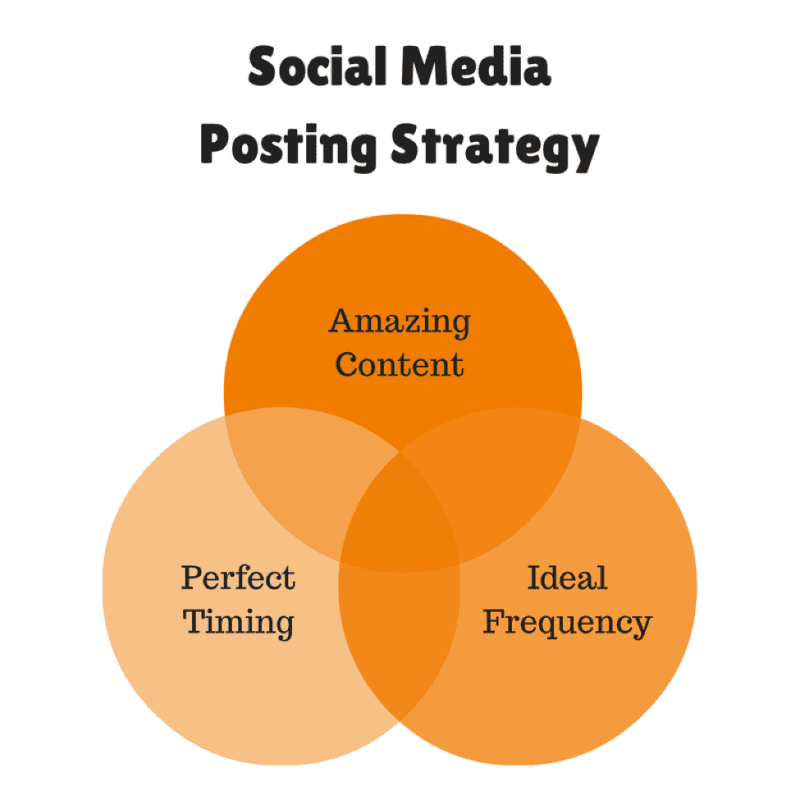
Consistency beats intensity. It's better to post three strong times a week, every week, than to burn out posting daily for two weeks and then vanish. Build a simple content calendar, batch your content in advance, and schedule it so a busy week never knocks you off track. Leave room to react to trends and reply to comments — engagement is half the job.
9. Track What Matters and Adjust
A plan is a living document, not a stone tablet. Check your numbers monthly and focus on the metrics tied to your goals: reach, engagement, click-throughs, DMs, and conversions. Double down on what's working, drop what isn't, and refine as you go. Every month you'll find the trail a little easier to follow.
Ready to Make the Descent?
Creating a social media marketing plan from scratch takes effort, but it's far less daunting once you have a map: clear goals, the right platforms, a content plan, smart use of AI, and steady measurement. Take it one step at a time and you'll reach the bottom of the canyon with confidence.
And if doing it all yourself feels like too much, you don't have to climb alone. $99 Social offers affordable, done-for-you social media management for small businesses — plus white-label plans for agencies — so you can stay consistent while you run the rest of your company.