For a long time, small-business owners have been told they had to choose: pour the budget into traditional advertising like billboards, bus shelters, and print, or go all-in on social media. In 2026, that either/or thinking is outdated. The smartest small businesses treat the two as teammates, not rivals. A well-placed out-of-home (OOH) ad gets you noticed in the real world, and Facebook turns that fleeting glance into a follow, a click, and eventually a sale.
The reason this combo works comes down to one simple truth: almost everyone has a smartphone in their pocket. When someone spots your billboard at a red light or your flyer in a coffee shop, their next instinct is to look you up. If you've done your homework on Facebook, you're ready to greet them.
Why Offline and Online Belong Together
Traditional advertising is fantastic at building broad awareness and local trust. A billboard near your shop or a sponsored banner at a community event tells people you're real, established, and part of the neighborhood. What it can't do well is measure results or start a conversation.
That's where Facebook shines. It's interactive, trackable, and built for two-way engagement. When you run both at once, your OOH ad becomes the spark and your Facebook presence becomes the campfire people gather around. Studies on cross-channel marketing have consistently shown that combining offline and digital touchpoints lifts recall and response rates well beyond what either does alone.
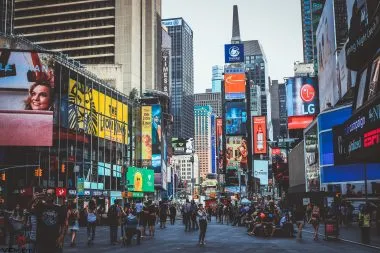
Make Your Offline Ads Point to Facebook
If you're already paying for a billboard or print ad, give people a clear reason and a clear path to find you online. A few practical moves:
- Print your Facebook handle, not just a website, so people can follow you in one tap.
- Add a QR code that opens your Page, a specific offer, or a short-form video. QR scanning is second nature now, and it makes your offline ad measurable.
- Use a memorable hashtag or campaign phrase that ties your physical ad to your social posts.
- Tease something exclusive: "Scan to unlock our 2026 spring deal" gives people a reason to act in the moment.
The goal is to shrink the gap between "I saw that ad" and "I'm now connected to that business." Every QR scan or new follow is a person you can reach again for free.
Mirror Your Message Across Channels
Consistency is what makes the two channels feel like one campaign. Use the same colors, slogan, and offer on your billboard and in your Facebook posts, Reels, and Stories. When someone sees your OOH ad and then lands on your Page, the visual match builds instant recognition and trust.
Short-form video is your best friend here. Turn the concept behind your physical ad into a quick Reel showing the product, the team, or a behind-the-scenes moment. People who saw your billboard get a richer story, and the algorithm rewards you with reach to new local audiences.
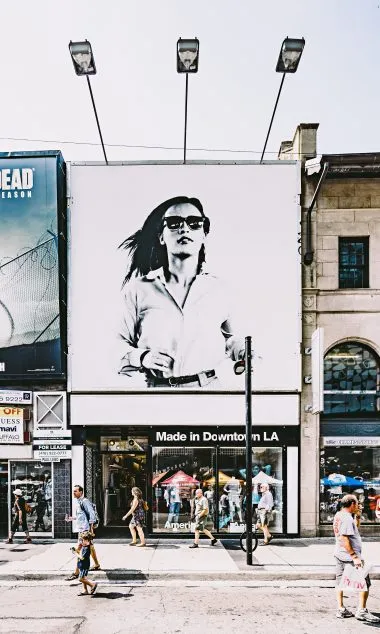
Use Facebook to Retarget the People You Reached Offline
Here's where 2026 tools really pay off. When offline ads drive a wave of visitors to your Page or website, you can build custom audiences from that traffic and run inexpensive Facebook and Instagram ads back to them. Someone who scanned your QR code but didn't buy can be gently reminded a few days later. Meta's AI-driven Advantage+ campaigns make this easier than ever, automatically finding lookalike customers in your area so a modest budget stretches further.
This is the part traditional advertising could never do on its own: it lets you re-engage the exact people your billboard introduced you to, and it tells you what's actually working.
Don't Forget AI Search
One newer wrinkle worth planning for: when people see your offline ad, a growing number now ask an AI assistant like ChatGPT, Gemini, or Perplexity about you instead of typing into a search bar. That makes it more important than ever to keep your Facebook Page, business info, hours, and reviews accurate and up to date. Clear, consistent details across the web help AI answer engines describe your business correctly when a curious prospect asks.
Start Small and Measure
You don't need a massive budget to test this approach. Pick one offline placement, add a QR code or unique hashtag, mirror the message on Facebook, and watch what happens to your follows, scans, and inquiries. Track the numbers for a few weeks, then double down on what worked.
Blending traditional and social advertising isn't about spending more, it's about making every dollar work harder. Your billboard gets the attention, and Facebook keeps the relationship going. If managing the social side feels like one job too many, that's exactly what a done-for-you service like $99 Social is built for, keeping your posts, replies, and campaigns running while you focus on serving the customers your ads bring in.